B2B lead generation: search, forms, scoring and CRM
How is B2B lead generation done? Search intent, content, landing pages, form design, lead scoring, CRM handover and feedback from the sales team, step by step.
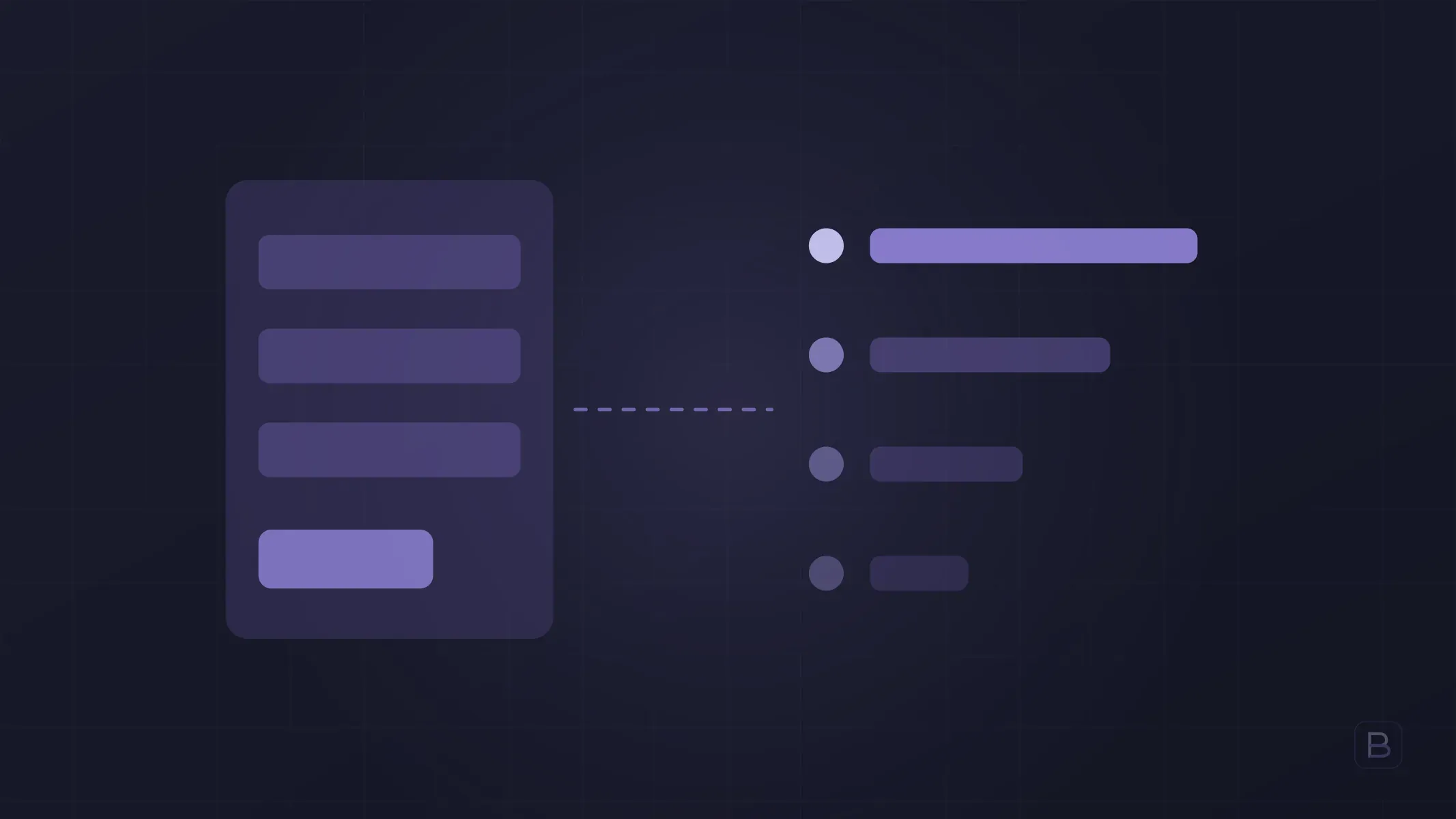
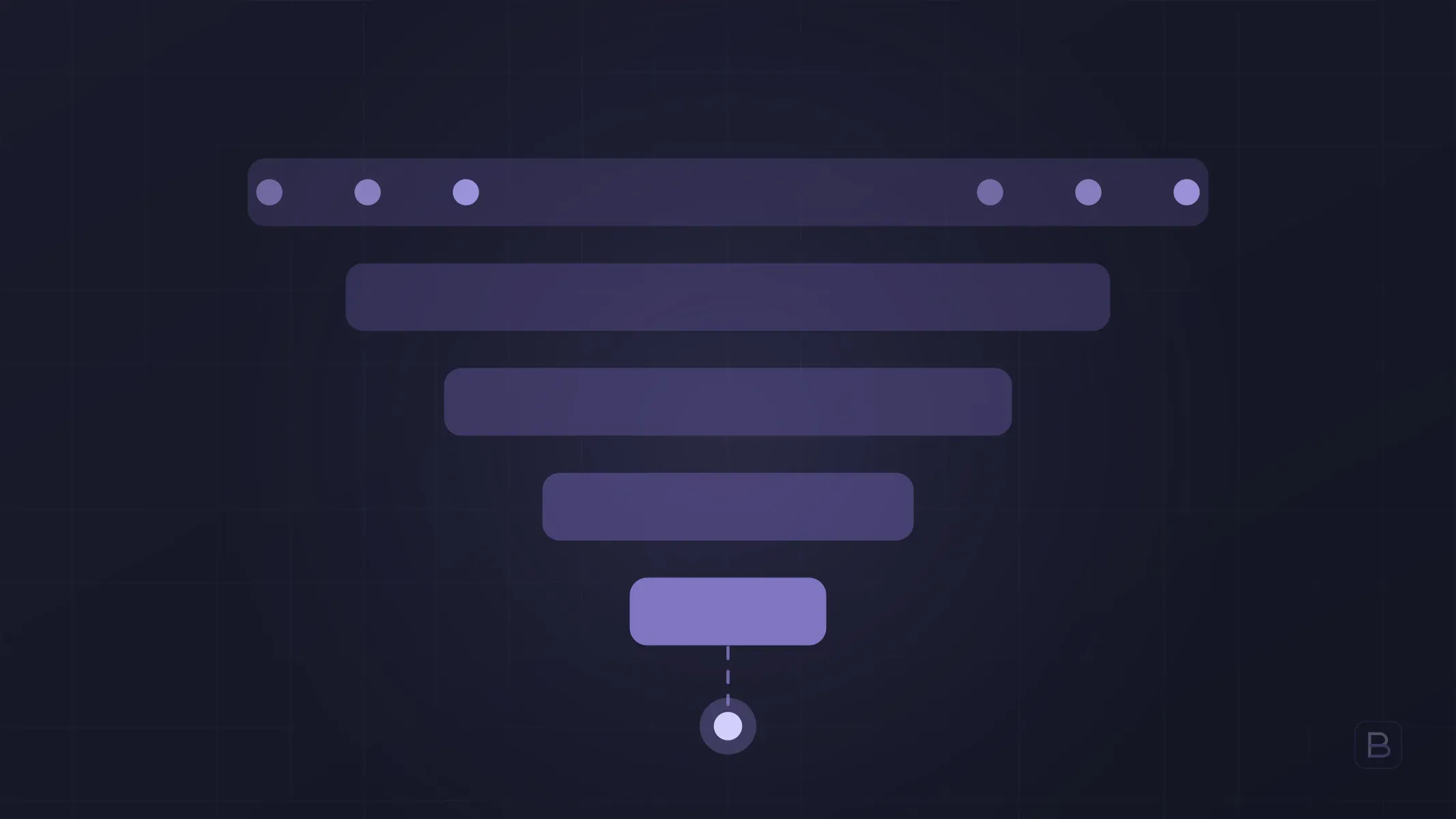
B2B lead generation is building a flow that gets a representative of a company that genuinely needs your product or service to leave their contact details: bring the searcher to the right content, convince them on a landing page, capture the record with a short form and hand it over in a way the sales team can follow up. The value of the records you collect is not in their number but in how many become sales conversations.
This article walks through each link in the B2B lead flow in order. For channel choice, start with B2B digital marketing.
How does lead generation start with search intent?
A good lead comes from a person arriving with the right intent. Search queries fall into three groups by intent:
| Intent | Example query | Fitting page |
|---|---|---|
| Learning | “what is ERP”, “how to choose a CRM” | Guide article |
| Comparison | “custom software or off-the-shelf” | Comparison article |
| Buying | “software company”, “B2B marketing agency” | Service page, landing page |
Buying queries are few but valuable; you catch them with ads and service pages. Learning queries are crowded but give you an early chance to meet the buyer; you catch them with content. For the choice between search channels see SEO vs Google Ads.
How does content turn into a lead?
Not everyone who reads a guide fills in a form, and they do not need to. Content’s job is to carry the buyer to the next step:
- A clear invitation at the end of the article that relates to the topic: a checklist, a sample template, a short call.
- Natural internal links to the relevant service page.
- On a technical topic, an open way to get in touch, acknowledging that the reader may have a question specific to their company.
Asking for contact details in exchange for a downloadable document is a choice; gating information lowers the number of readers but can raise the seriousness of those who leave details.
How do you design the landing page and form?
Traffic is won or lost on the landing page. How to build one is detailed in what is a landing page; a B2B summary:
- One goal. The page serves one job: a quote, a call or a document.
- Answers to the buyer’s questions. What do you do, for whom, with what process, in how long?
- Trust elements. Delivered work, process, certificates, references.
- A short form. Name, company, email, phone and a short note. Every extra field lowers completion.
- One qualifying question. A field such as company size, need or timing makes scoring easier later.
- State the next step. Something like “we reply within one business day”.
There is a trade-off between form length and quality: a very short form brings volume but can raise the share of unqualified records; a very long form brings fewer but more serious ones. The right length is found through sales team feedback.
Why do you need lead scoring?
Not every record is equal. Scoring decides whom the sales team calls first. A simple model has two axes:
- Fit: Does the company match your target in industry, size and job title?
- Interest: Did they look at the pricing or quote page, is the form note specific, did they come back?
A record that fits and shows interest is called straight away; one that fits but shows little interest is nurtured by email; one that does not fit is filtered out. You do not need complex software; a simple table is enough to begin with.
How do records get into the CRM?
A form submission getting lost in an inbox is one of the costliest losses in B2B. The setup should include:
- Form submissions drop into the CRM automatically.
- The source (channel, campaign, page) is stored with the record.
- The record is assigned an owner and response time is tracked.
- Stages are defined: new, contacted, proposal, won, lost.
For CRM choice see CRM software; if your needs are specific, the debate in custom software vs off-the-shelf helps. For measuring the source the GA4 measurement guide covers the basic setup.
How do you build a feedback loop with sales?
Marketing brings the record; sales knows which ones are good. If that knowledge does not flow back to marketing, ad spend keeps going to the wrong audience.
- A short weekly call. Which of the incoming records were qualified, and why were others dropped?
- Loss reasons in the CRM. Labels such as “budget does not fit”, “wrong industry”, “not interested”.
- Opportunities by channel. Which campaign and keyword bring opportunities?
- Update targeting and the form. Use feedback to correct keywords, audiences and form questions.
Without this loop, the report can show the number of records rising while sales stay the same.
Frequently asked questions
Is a lead the same as a qualified lead? No. A lead is anyone who leaves contact details; a qualified lead arrives from the right company with a real need. Measurement should be built on the second.
When do the first results come? Demand from ads starts in the first weeks. In SEO, technical fixes show in 2-6 weeks and the effect of content in 3-6 months.
How much is reasonable to spend per lead? The figure depends on the sector and customer value. The right question is how much you are willing to pay for one sales opportunity.
Do cold email or calls work? In some sectors they can help, but consent and regulation rules need care. The flow described here targets buyers who show their own interest.
To review your current form and CRM flow and make visible which enquiries turn into sales, fill in the contact form or write to info@boygantech.com.