What is CRM software: off-the-shelf CRM or custom CRM
CRM software brings leads and the sales process into one place. When you need it, how to choose between an off-the-shelf and a custom CRM, and what to watch for during setup.
CRM (customer relationship management) software brings leads, conversations and the sales process into one place. Instead of searching spreadsheets and WhatsApp threads for who came from which channel, who last spoke to them and which quote is waiting at which stage, you see it on one screen.
Businesses usually look for a CRM after a problem has grown: forgotten follow-ups, lost quotes, “who was handling this customer?”. This piece covers when you need a CRM and whether to choose an off-the-shelf or a custom one.
What does a CRM do?
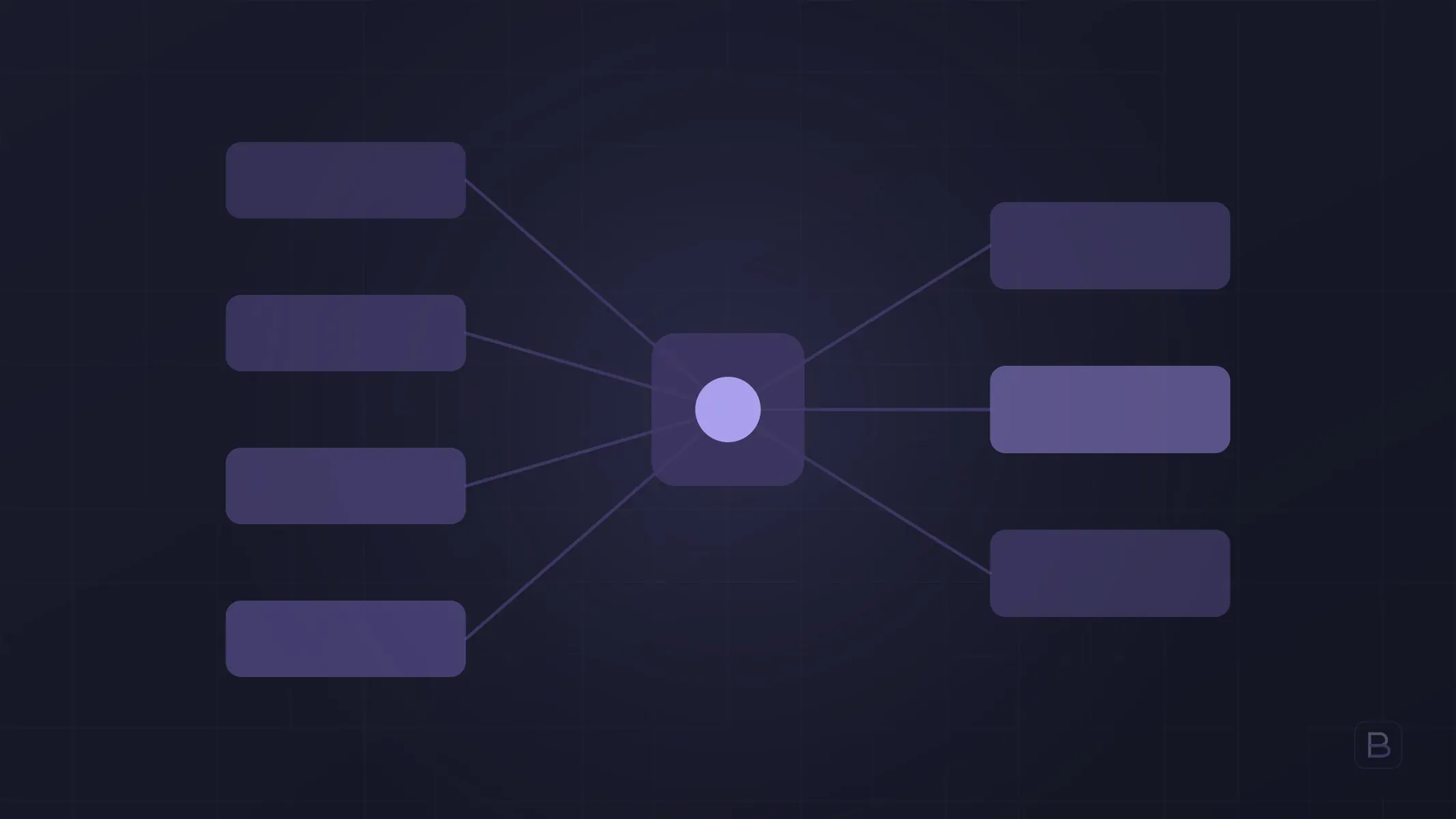
- Collects enquiries in one place. Enquiries from forms, phone, WhatsApp and email land on the same list.
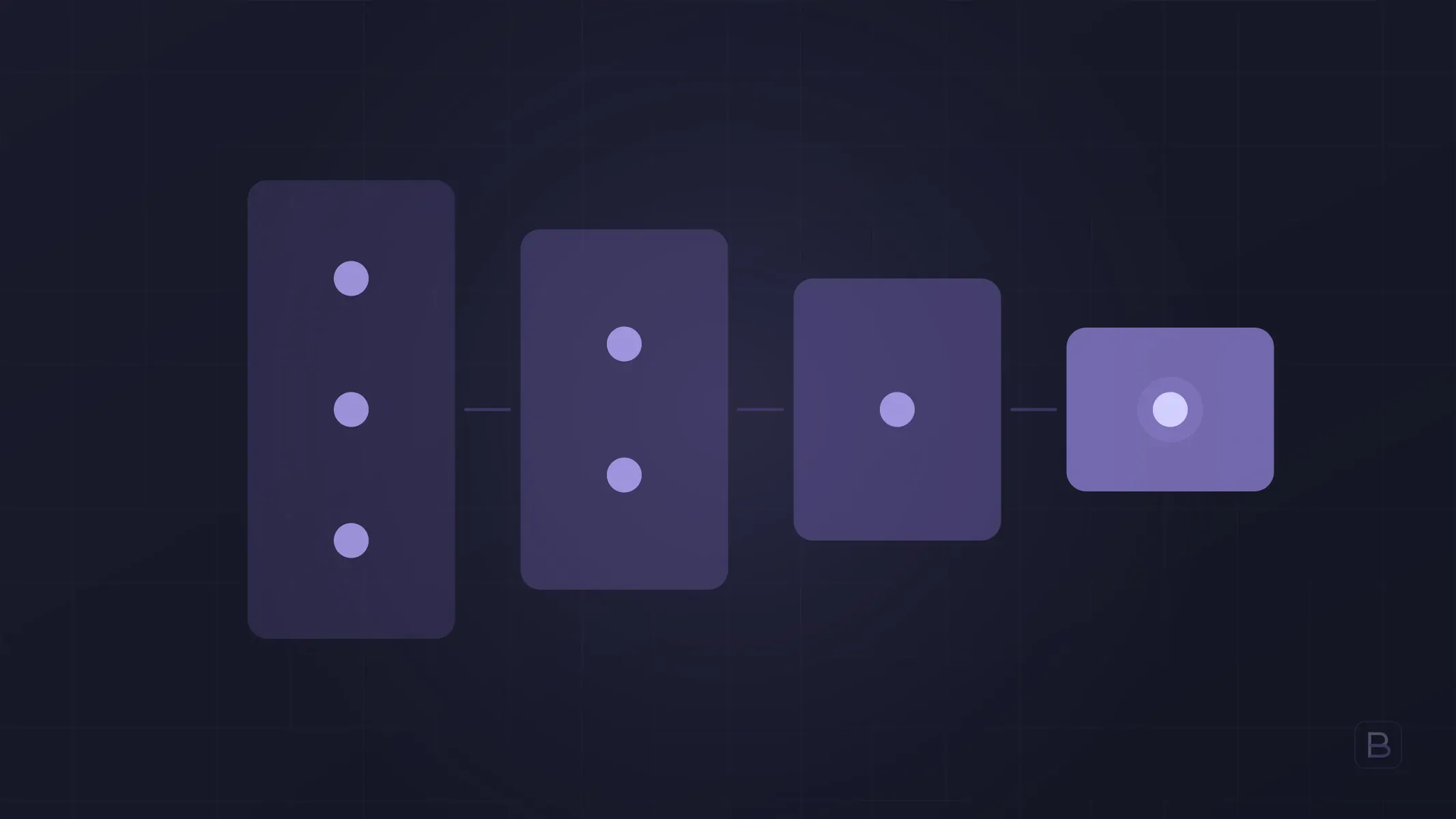
- Makes the sales process visible. Every enquiry has a clear stage: new, called, quoted, won, lost.
- Reminds. Enquiries past their follow-up date are not left with nobody.
- Measures the source. Which ad, which page or which channel actually brings sales?
The last point is often overlooked. The ad platform tells you how many forms came in; only the CRM knows which form became a sale. When that information is sent back to the ad platform, the algorithm tries to find buyers rather than form-fillers.
When does your business need a CRM?
If two of these apply, it is time:
- You receive more than a few dozen enquiries a month.
- More than one person handles enquiries.
- Your sales process does not end in a single conversation; there are quote, follow-up and approval steps.
- You do not know which marketing channel brings sales.
- When an employee leaves, the customer history leaves with them.
In sectors where enquiries arrive over WhatsApp, such as health tourism, the need starts earlier; see WhatsApp for clinics.
Off-the-shelf CRM or custom CRM?
An off-the-shelf CRM is usable immediately for a monthly per-user fee. If your sales process is standard (enquiry, call, quote, sale), it is the right start for most businesses.
A custom CRM is written around your process. It makes sense when:
- Your process does not fit the off-the-shelf mould, and the team works around the system instead of in it.
- The CRM needs deep connections to your other software (accounting, bookings, stock, your own application).
- As users grow, the total cost of the off-the-shelf CRM passes the maintenance cost of custom software.
- You want full control over where the data lives.
The general decision threshold is in custom software vs off-the-shelf. Our advice is usually: settle the process on an off-the-shelf CRM first; by the time you hit its limits, it will also be clear what is worth building custom.
What should you watch for when setting up a CRM?
- Process first, software second. Write down your sales stages and who does what at each one. Putting an undefined process into software only speeds up the chaos.
- Start with few fields. The more fields each enquiry needs, the fewer the team fills in.
- Carry the source automatically. Which ad and which page an enquiry came from should be written to the CRM along with the form; source data typed in by hand is unreliable. For the measurement side, see the GA4 guide.
- Mark won and lost enquiries. The reason for losing (price, timing, unreachable) becomes your most valuable data within a few months.
- Make sure you can move your data. When leaving an off-the-shelf CRM, you should be able to export every record.
On the B2B side, where the leads in your CRM come from is covered in B2B lead generation, and where a sales team can use AI in AI in B2B sales.
Frequently asked questions
What is the difference between CRM and ERP? A CRM manages the sales and customer side; an ERP manages internal operations such as stock, production, purchasing and accounting. In growing companies the two are connected.
Does a small business need a CRM? If you have few enquiries and one person handles them, a tidy spreadsheet may be enough. Once enquiries spread across several people, it is time to move to a CRM.
How long does a custom CRM take to build? In our projects custom business software falls in the 8–16 week band; the exact timeline and scope are given in writing after discovery.
Does a CRM improve ad results? Indirectly, yes. When enquiries that became sales are reported back to the ad platform, campaigns can be optimised for sales instead of form count.
At Boygantech we have delivered one CRM and one ERP system to date; because the same team sets up ad measurement, the enquiry’s source is carried all the way into the CRM. To talk about what you need, you can book a first call from our software agency page.