A multilingual website for exporters: structure, hreflang, localisation
How to build a multilingual website for exporters: subfolder or domain, hreflang, localisation instead of translation, country-level SEO and the quote flow for overseas buyers.
A multilingual website for exporters presents the same content to buyers in different languages and countries, in their language and shaped by how they search, while telling search engines clearly which page belongs to whom. Translating the text is not enough; structure, technical signals and the quote flow have to be planned together.
This article walks through the decisions an exporting company makes when building a multilingual site, in order.
How do you choose a multilingual structure: subfolder or domain?
There are three common options:
| Structure | Example | Upside | Downside |
|---|---|---|---|
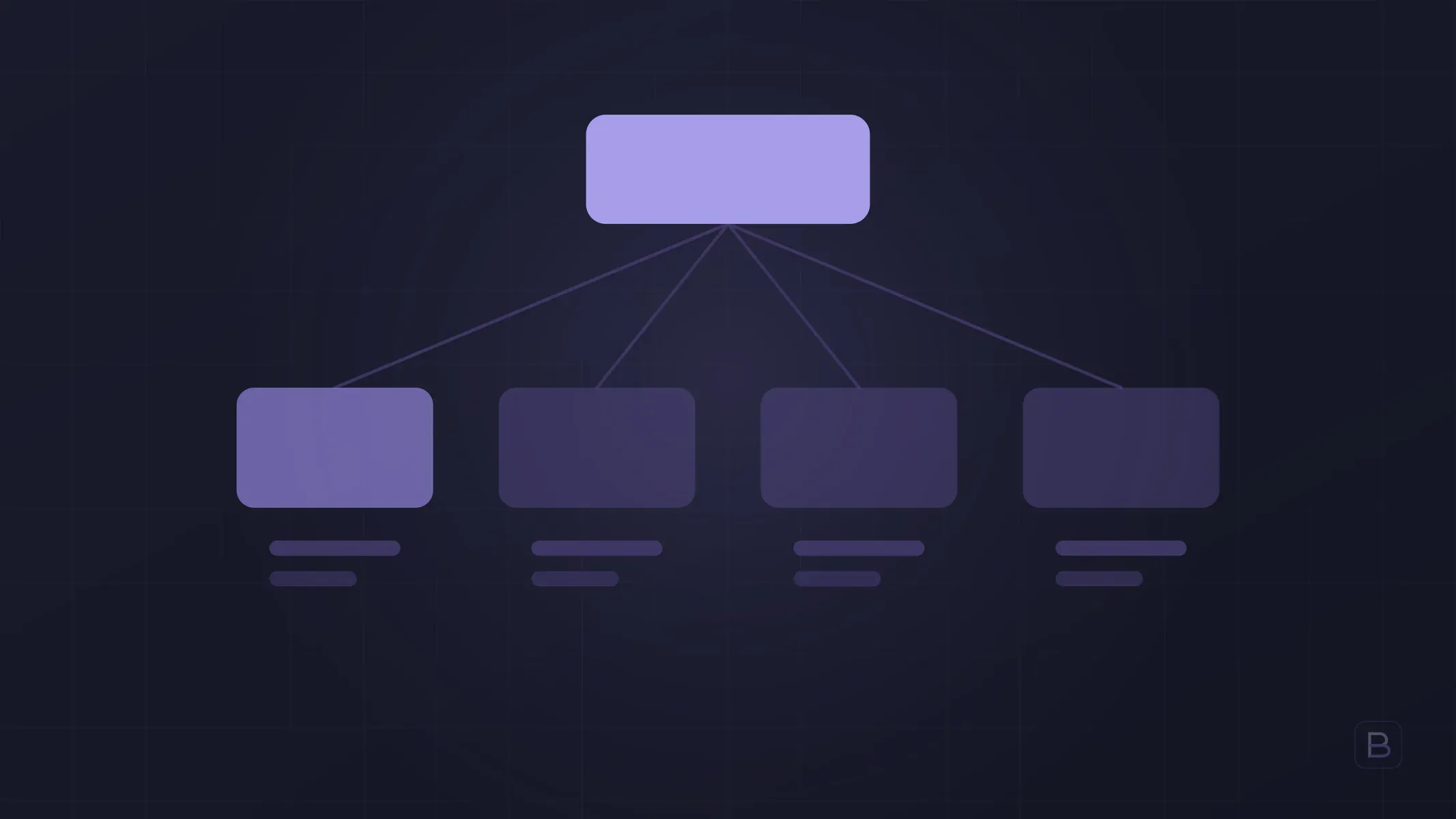
| Subfolder | company.com/de/ | One domain, authority accumulates, easy to maintain | No country-specific domain signal |
| Subdomain | de.company.com | Separate server option | Authority more scattered, more work to set up |
| Country domain | company.de | Strong local signal for that country | Each domain managed and built up separately |
For most exporters a subfolder is the healthiest start: it grows a single site and the maintenance load is low. A country domain makes sense where looking like a local company matters and you can invest in each market separately.
The Boygantech site is built on this logic: Turkish at the root, English under /en/, with the two versions linked by hreflang.
What is hreflang and why do you need it?
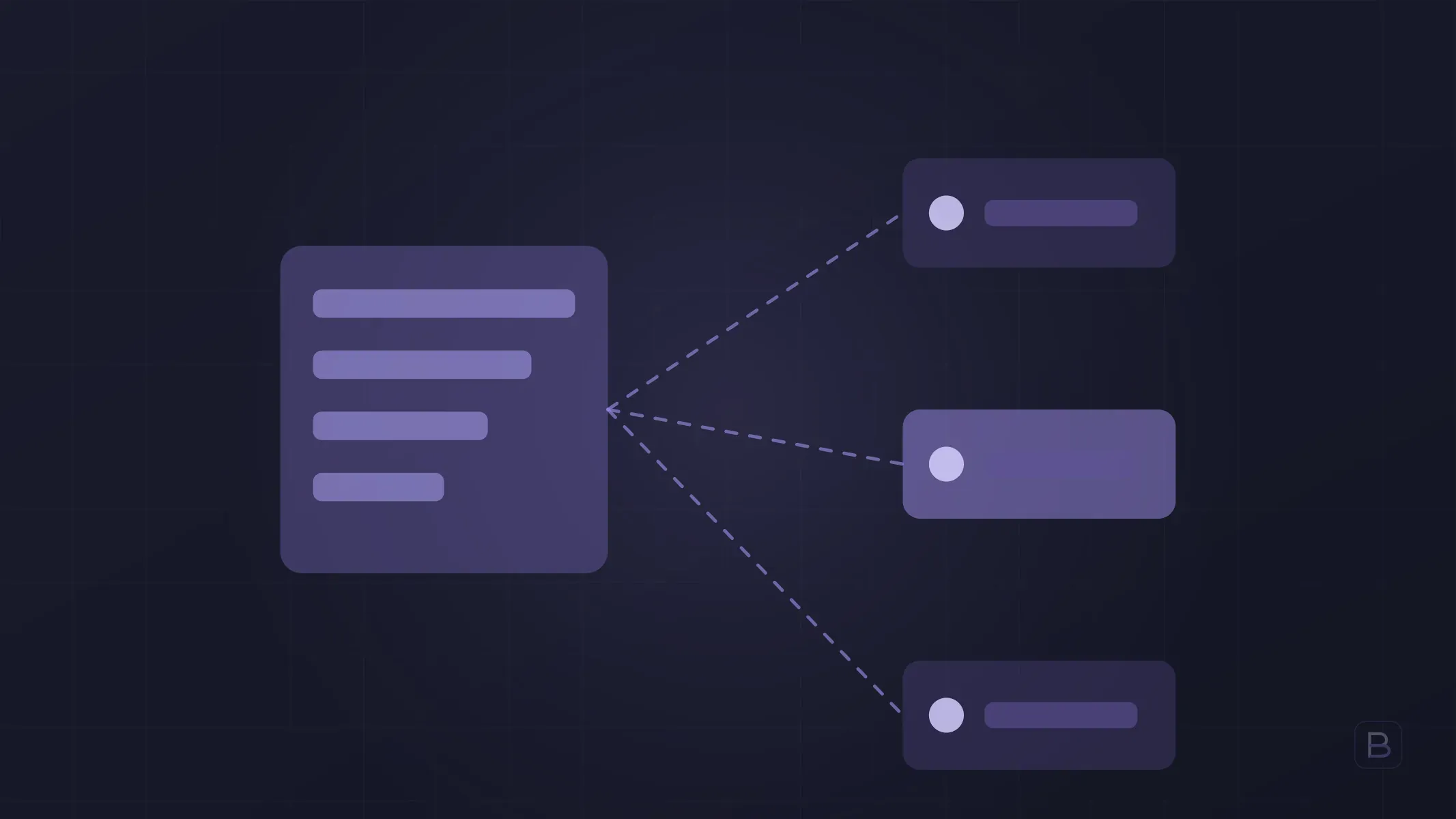
Hreflang is a signal that tells a search engine “the equivalent of this page in another language is at this address”. Used correctly, a German buyer sees the German page rather than the English one, and similar pages are not treated as duplicates and dropped.
Things to watch:
- It must be reciprocal. If page A points to B, B must point to A.
- It must point to itself. Each page should list its own language version too.
- Correct language and country codes. A wrong code invalidates the signal.
- A default version. Define a default page for visitors who match no language.
- A real counterpart must exist. Do not give hreflang to a page with no equivalent.
The general framework of technical SEO is in technical SEO for business.
What is the difference between translation and localisation?
Translation carries a sentence into another language. Localisation rebuilds the message for the buyer in that market:
- Terms. The word a buyer actually searches in your sector is often not a literal translation. Keyword research should be done separately in each language.
- Units and currency. Measurements, standards, currency and tax information should follow the target country.
- Certificates and standards. The document the buyer trusts may differ by market.
- Tone and examples. Direct or formal style and the choice of references vary by market.
- Machine translation. Useful for a draft, but technical and commercial pages should not go live without human review.
How do you do country-level SEO?
Buyers in two countries speaking the same language may use different words. Write with the target country in mind and check:
- Keyword research in that language for each market, based on how the buyer searches rather than a translation of your Turkish term.
- The search engines and channels the market uses. Google is not the only option everywhere.
- Links and visibility from that market: industry directories, chambers of commerce, trade show pages.
- Page speed. If the site is slow from a distant server, the buyer leaves; see how to improve website speed and hosting and server choice.
In ads, setting up each country and language as a separate campaign keeps measurement and budget management clear.
How do you plan the quote flow and time zones?
Reduce friction for the overseas buyer:
- Keep the quote form short: product, quantity, country and contact details.
- Make the phone prefix and country easy to pick in the form.
- State the response time. A clear promise such as “we reply within one business day” builds trust.
- Time zones. Show available meeting times in the buyer’s time zone, or ask for it.
- Routing enquiries. Who handles enquiries from which country? To keep records in one place see CRM software.
For the wider marketing setup of manufacturers, digital marketing for manufacturers is a companion read.
Frequently asked questions
How many languages should I publish in? Start with the markets where your buyers actually are. Ten incomplete, neglected languages are weaker than two done well.
Is it right to redirect automatically by browser language? Forced redirects can confuse both search engines and visitors. Offer a suggestion but leave the choice to the user.
Can translations be added later? Yes, but if the site was not designed as multilingual from the start, the URL structure and content model get harder later. Planning the language structure upfront is cheaper.
How long does a multilingual site take? A corporate site takes 3-5 weeks and an e-commerce site 6-10 weeks; additional languages extend that depending on scope. More in building a corporate website.
If you share your target countries and product groups, we can plan your site structure together; fill in the contact form or write to info@boygantech.com.